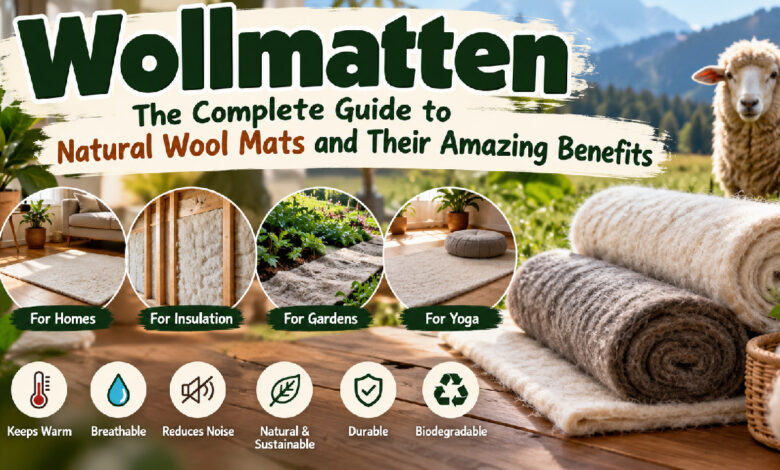
Wollmatten are wool-based mats used in homes, buildings, gardens, wellness spaces, and many practical settings. They are valued because wool is naturally soft, warm, flexible, and able to hold small pockets of air within its fibres.
The word can describe several products rather than one specific type of mat. Some Wollmatten are decorative floor coverings, while others are designed for insulation, sound absorption, gardening, yoga, meditation, or surface protection.
This guide explains what Wollmatten are, how they work, what they are made from, their important uses, advantages, limitations, and care requirements. It will also help you understand which type may be suitable for a particular purpose.
What Are Wollmatten?
Wollmatten are mats made entirely or partly from wool fibres. Sheep’s wool is commonly used because its natural structure provides warmth, cushioning, flexibility, and insulation. Depending on their purpose, these mats can be thin and firm or thick and soft.
Wollmatten are not one standardized product. A decorative wool mat for a living room is very different from a technical wool insulation mat designed for a wall or roof. Their construction, thickness, density, backing, and treatments can vary considerably.
Some products contain pure wool, while others combine wool with synthetic fibres, cotton, latex, adhesives, or backing materials. Buyers should therefore check the complete material composition rather than assuming every Wollmatte is made from 100 percent wool.
What Does the Word Wollmatten Mean?
“Wollmatten” is a German word. “Wolle” means wool, while “Matten” means mats. The singular form is “Wollmatte,” meaning a wool mat. The plural “Wollmatten” simply refers to multiple wool mats.
The term does not identify a particular company, brand, or manufacturing method. It can be used for different products containing wool, including floor coverings, felt sheets, insulation mats, garden mats, yoga surfaces, and protective padding.
The intended meaning therefore depends on context. Someone searching for Wollmatten for a house may want insulation, while a gardener may be looking for soil covers. Checking the intended application is important before comparing products.
What Are Wollmatten Made Of?
The main material in Wollmatten is usually sheep’s wool. Different wool grades may be selected according to the product. Soft fibres may be preferred for surfaces that touch the body, while other wool can work well in insulation or technical applications.
Not every Wollmatte is pure wool. Manufacturers may combine wool with synthetic fibres or supporting materials to improve stability, strength, grip, or durability. Floor and yoga mats may include latex or another material underneath to reduce unwanted movement.
Technical products can also contain binders, protective treatments, dyes, backing materials, or insect-resistant treatments. This makes the product label important, particularly when natural composition, recyclability, biodegradability, or sensitivity to certain materials matters to the buyer.
How Are Wollmatten Made?
Production starts with preparing wool fibres. Raw wool normally needs cleaning to remove dirt and unwanted material. The cleaned fibres can then be sorted and carded so they become easier to arrange into a more consistent layer.
One common method is felting, where wool fibres become interlocked to form a dense material. Needle punching is another method in which specialized needles repeatedly move through loose fibres and mechanically bind them into a stable mat.
Decorative products may instead be woven, tufted, or produced using other textile methods. Manufacturers can then add edges, backing, latex, adhesives, or surface treatments. The manufacturing process influences the finished mat’s softness, density, durability, grip, and intended application.
How Do Wollmatten Work?
Wool fibres have a naturally crimped or wavy structure. When many fibres are placed together, small spaces form between them. These spaces hold air, and trapped air can help slow the movement of heat through the material.
This structure explains why wool can feel warm and why specially manufactured wool products can provide thermal insulation. Performance, however, depends strongly on thickness, density, construction, compression, and how correctly a technical product is installed.
Wool can also interact with moisture vapour and absorb some sound energy. These properties make Wollmatten useful for more than comfort alone. However, the exact performance must be judged from the specifications of the individual product rather than from wool’s general characteristics.
Main Types of Wollmatten
Wollmatten are available in several forms. Floor mats and rugs focus mainly on comfort, appearance, and surface protection. Felted mats can be used on furniture, desks, shelves, floors, or other areas that need a soft protective layer.
Technical varieties include thermal insulation and acoustic mats. Insulation products are designed for suitable building assemblies, while acoustic products are made to absorb sound and reduce unwanted reflections. Their performance should be supported by appropriate technical information.
Other varieties include garden mats, yoga and meditation mats, craft materials, and protective felt. These products may look similar but are designed for different conditions. A Wollmatte should therefore always be chosen according to its intended use.
Natural Properties of Wool Used in Wollmatten
Wool has several characteristics that make it useful in mats. Its crimped fibres create spaces for air, while its natural elasticity allows many wool products to recover after moderate pressure. This contributes to both insulation and physical comfort.
Wool is also hygroscopic, meaning it can interact with moisture vapour in the surrounding air. It can take up moisture vapour and release it as environmental conditions change, although this does not mean that wool is waterproof.
Another useful characteristic is wool’s ability to absorb some sound energy. It also provides a naturally textured and warm surface. The importance of each property depends on the construction, density, thickness, treatment, and intended purpose of the finished Wollmatte.
Thermal Insulation and Warmth
Thermal performance is one of the best-known qualities associated with wool. Small pockets of air trapped between wool fibres can slow heat transfer. This is useful in clothing and can also benefit properly designed wool mats and building insulation.
A wool floor mat can make a cold hard floor feel more comfortable, but it should not be confused with certified building insulation. Technical insulation products are manufactured to provide specific levels of thermal performance within suitable building assemblies.
Thickness and density matter greatly. Compressing an insulation mat incorrectly may alter its performance. Anyone using Wollmatten in construction should follow product specifications, installation instructions, and applicable building requirements rather than relying on wool thickness alone.
Moisture Management and Breathability
Wool can absorb moisture vapour from surrounding air and release it again when conditions become drier. This ability helps explain why wool is often described as a material that can interact naturally with changing indoor humidity.
This property can be useful in clothing, interiors, and properly designed building systems. However, moisture-vapour management should not be confused with waterproofing. A Wollmatte that becomes soaked can still experience staining, odour, deterioration, or problems with its backing.
Building leaks and condensation require proper solutions such as drainage, ventilation, weather protection, and suitable construction design. Wollmatten should remain within the moisture conditions recommended by their manufacturers to maintain their intended performance.
Sound Absorption and Acoustic Benefits
The fibrous and porous structure of wool can absorb some sound energy rather than reflecting all of it back into a room. This can help reduce echoes and create a more comfortable acoustic environment in spaces containing many hard surfaces.
Thicker or purpose-designed acoustic Wollmatten may be useful in offices, studios, meeting areas, living spaces, and other rooms where sound reflections are a concern. Their effectiveness depends on density, thickness, placement, construction, and frequency range.
Sound absorption is different from soundproofing. A wool mat may improve room acoustics without preventing sound from travelling through walls or floors. For professional acoustic projects, tested performance data is more useful than general claims about wool.
Wollmatten for Floors and Interior Spaces
Wool floor mats can bring warmth, texture, cushioning, and visual softness into interior spaces. They are commonly suited to living rooms, bedrooms, offices, reading areas, and other places where comfort underfoot is desirable.
They can be especially pleasant over hard surfaces such as wood, stone, tile, or concrete. Different manufacturing methods create different appearances, from smooth felted mats to thicker woven or tufted surfaces.
Floor stability should also be considered. A loose wool mat can move on a smooth floor unless it has suitable backing or an appropriate anti-slip layer. Buyers should consider foot traffic, thickness, cleaning requirements, dimensions, and floor compatibility before choosing one.
Wollmatten for Building Insulation
Specially manufactured wool insulation mats can be used in appropriate walls, roofs, floors, ceilings, and timber structures. Their fibrous construction traps air and helps slow heat transfer through the building envelope.
Flexible wool insulation can sometimes fit conveniently between structural members. However, installation quality is important. Gaps, incorrect compression, poor moisture management, or unsuitable construction details can reduce the performance of an otherwise good insulation product.
Only products intended and tested for construction should be used for this purpose. Buyers should examine thermal conductivity or resistance, density, fire classification, installation requirements, and relevant certifications. Decorative Wollmatten are not substitutes for approved building insulation.
Wollmatten for Gardens and Plant Protection
Garden Wollmatten are wool-based covers placed over soil around plants, trees, shrubs, or growing areas. By covering the soil surface, suitable mats can reduce the light reaching some weeds and help limit moisture loss from exposed soil.
Wool is a natural material, and untreated pure wool can break down under suitable environmental conditions. This makes wool-based garden covers interesting to gardeners seeking alternatives to some long-lasting synthetic landscape materials.
Composition remains important. A mat containing synthetic fibres, plastic backing, coatings, or other non-biodegradable components may behave differently in soil. Gardeners should choose a product specifically intended for horticultural use and follow its instructions.
Wollmatten for Yoga and Meditation
Wool mats can provide a warm and cushioned surface for meditation, Yoga Nidra, restorative yoga, Yin Yoga, breathwork, and other slower practices. They are particularly useful when the body remains close to a cool floor for long periods.
Some yoga Wollmatten combine a wool surface with a non-slip backing. The wool provides softness and warmth, while the underside helps keep the mat stable on smooth flooring during gentle movements and stationary positions.
Wool may be less suitable for fast or sweaty practices where strong hand and foot grip is essential. Users should select a mat designed for their particular activity rather than assuming every soft wool mat is suitable for exercise.
Benefits of Wollmatten
One major advantage of Wollmatten is their combination of warmth and comfort. Wool fibres can create a soft surface while their structure traps air. Depending on the product, this can support cushioning, thermal performance, and everyday comfort.
Wool also interacts with moisture vapour and can contribute to sound absorption. It is a renewable fibre because sheep grow new fleece, making it attractive to buyers interested in natural materials and products with long useful lives.
The benefits vary between products. A garden mat, floor covering, insulation product, and yoga mat are designed differently. The most meaningful advantage comes from selecting a Wollmatte whose construction matches the job it needs to perform.
Disadvantages and Limitations of Wollmatten
Wool mats can be more expensive than basic synthetic alternatives. High-quality wool, specialized manufacturing, dense construction, and handmade production can increase cost. Some products are also heavier or require more careful cleaning.
Moisture is another consideration. Wool can manage moisture vapour, but prolonged wetness is undesirable. Incorrect washing can cause shrinking, distortion, or backing damage. Natural wool can also be vulnerable to textile pests under certain storage conditions.
Some mats may shed fibres, particularly when new. Wool can also feel coarse depending on fibre quality. These limitations do not make Wollmatten unsuitable, but they show why construction, location, maintenance, and intended use matter.
Are Wollmatten Sustainable?
Wool is renewable because sheep continually grow fleece. It can also be durable, meaning a well-made product may remain useful for years. These characteristics can make wool attractive in projects focused on natural or renewable materials.
However, sustainability cannot be determined from fibre type alone. Sheep farming, wool processing, washing, manufacturing, dyes, treatments, transportation, backing materials, packaging, product lifespan, and disposal all contribute to environmental impact.
Buyers interested in sustainability should examine the complete product rather than relying on a “natural” label. Material transparency, durability, responsible sourcing, recycled content where relevant, and credible environmental information can support a more informed decision.
Are Wollmatten Biodegradable?
Pure wool is capable of biodegrading under suitable biological and environmental conditions. Microorganisms can gradually break down natural wool fibres, which gives untreated wool a different end-of-life profile from many persistent synthetic fibres.
A finished Wollmatte, however, may contain much more than wool. Latex, synthetic fibres, adhesives, plastic backing, dyes, protective finishes, or other treatments can affect whether the complete product can biodegrade and under what conditions.
For this reason, buyers should avoid assuming that every Wollmatte is fully biodegradable. This is especially important for garden products that may eventually remain in soil. Checking the manufacturer’s material information provides a clearer answer.
Are Wollmatten Safe and Fire Resistant?
Wool has useful natural behaviour when exposed to flame compared with some highly flammable materials, but this should never be simplified into saying that every wool mat is fireproof. Finished products can contain several additional materials.
Backing, adhesives, binders, dyes, and protective treatments can change fire performance. The construction and thickness of the mat also matter. Decorative products and building insulation may therefore have very different classifications.
For ordinary household use, follow the manufacturer’s safety instructions and keep products away from inappropriate heat sources. For construction and commercial applications, check the product’s tested fire classification and ensure it meets applicable local requirements.
How to Choose the Right Wollmatte
Begin with purpose. Decide whether you need a Wollmatte for flooring, insulation, gardening, acoustics, yoga, meditation, furniture protection, or another application. Products intended for one purpose may perform poorly or unsafely in another.
Next, examine wool percentage, complete material composition, dimensions, thickness, density, weight, backing, surface texture, and cleaning instructions. For floor or yoga mats, stability and grip deserve particular attention.
Technical applications require additional checks. Building insulation should have suitable thermal and fire information, while acoustic products should provide relevant performance data. Garden mats should be appropriate for soil contact. Choosing by specifications is more reliable than choosing by appearance alone.
Wollmatten vs Synthetic Mats
Synthetic mats can be affordable, lightweight, durable, and relatively easy to clean. Some synthetic materials also perform better in regularly wet environments because they absorb less moisture than natural wool.
Wollmatten generally provide a different feel. Wool offers natural warmth, softness, elasticity, moisture-vapour interaction, and useful acoustic characteristics. Pure wool is also renewable and can biodegrade under suitable conditions.
Neither material is automatically better for every situation. A synthetic mat may be more practical for frequent wet cleaning, while wool may suit a warm living area or meditation space. Intended use should guide the comparison.
Wollmatten vs Cotton Mats
Cotton mats are usually soft and can be lighter than dense wool products. Depending on their construction and care instructions, many cotton textiles can also be relatively straightforward to wash, making them convenient for some household applications.
Wool generally provides stronger natural insulation because its crimped fibres trap air effectively. A dense wool mat may also feel warmer and more resilient underfoot than a thin cotton mat.
Care requirements differ significantly between individual products. Cotton and wool can both shrink or change shape under unsuitable washing conditions. Buyers should compare construction, backing, washability, thickness, grip, and intended use rather than selecting solely by fibre name.
Wool Insulation Mats vs Other Insulation Materials
Building insulation is available in many materials, including mineral wool, fibreglass, cellulose, wood fibre, hemp, cork, rigid boards, and synthetic foams. Each option has different thermal, fire, moisture, installation, cost, and environmental characteristics.
Wool insulation can appeal to people seeking a flexible product made largely from natural fibres. Its ability to interact with moisture vapour can also be useful when it is incorporated into a correctly designed building assembly.
The correct choice depends on technical requirements rather than preference alone. Available space, thermal targets, fire regulations, moisture conditions, installation method, budget, and local building rules should all be considered before selecting insulation.
Garden Wollmatten vs Other Ground Covers
Gardeners have several options for covering exposed soil. These include wool mats, bark, straw, compost, cardboard, wood chips, and synthetic landscape fabrics. Each material has a different lifespan, appearance, cost, and effect on garden maintenance.
Suitable wool mats can reduce soil exposure and help limit some weed growth by blocking light. Natural wool products may also gradually decompose, while synthetic landscape fabrics can remain in place for much longer periods.
The best option depends on climate, plants, soil, desired lifespan, and maintenance plans. Anyone choosing garden Wollmatten should confirm that the product is intended for soil use and understand whether it contains synthetic components.
How to Clean Wollmatten
Cleaning methods depend on the construction of the Wollmatte. For household floor mats, gentle vacuuming can remove dust and loose particles before they settle deeply between the fibres. Very aggressive suction may be unsuitable for some surfaces.
When spills occur, blotting is usually safer than hard rubbing because rubbing can spread a stain and disturb fibres. Strong chemicals, bleach, excessive heat, and soaking should be avoided unless specifically permitted by the manufacturer.
Some washable wool products allow hand washing or a dedicated wool cycle, while others require specialist cleaning. Because backing and dyes can react differently to water, the manufacturer’s care label should always take priority over general advice.
How to Store and Maintain Wollmatten
A Wollmatte should be clean and completely dry before long-term storage. Trapped moisture can create unwanted odours and may damage fibres or other components. A dry, suitable storage environment helps preserve the product.
Wool can be vulnerable to textile pests, particularly when stored undisturbed for long periods. Keeping mats clean and periodically checking stored products can help identify problems before significant damage develops.
Regular maintenance also extends useful life. Floor mats may benefit from gentle cleaning and occasional rotation to distribute wear. Yoga mats should be aired when necessary, while insulation and garden products should be maintained according to their specific installation requirements.
Common Problems With Wollmatten
Shedding is one issue users may notice, particularly with some new wool products. A small amount of loose fibre can occur initially, while persistent heavy shedding may be related to construction, wear, or unsuitable cleaning.
Moisture can cause additional problems when a mat stays damp for too long. Odour, staining, changes in shape, or backing deterioration may occur. Storage in damp or poorly ventilated conditions can also create avoidable difficulties.
Movement on smooth flooring is another concern for products without suitable backing. Other potential issues include pest damage, compression, surface wear, and difficult stain removal. Correct product selection and routine care can reduce many of these problems.
Common Mistakes to Avoid When Buying Wollmatten
A common mistake is assuming that every Wollmatte is 100 percent wool. A product may have a wool surface but contain synthetic backing, adhesives, or other fibres. Always read the complete composition before purchasing.
Another mistake is choosing a mat only by thickness or appearance. A thick decorative mat is not automatically suitable for building insulation, and a soft meditation mat may not provide enough grip for fast yoga.
Technical claims also deserve careful attention. For insulation, acoustics, fire performance, or other specialized uses, look for relevant product specifications and testing. Matching the product to the intended application is more important than choosing the most natural-looking option.
How Long Do Wollmatten Last?
There is no single lifespan for Wollmatten because durability depends on construction, fibre quality, use, location, maintenance, moisture exposure, and physical wear. A lightly used indoor mat can face very different conditions from a busy entrance mat.
High-quality wool is naturally resilient, and properly maintained products can remain useful for many years. Regular removal of abrasive dirt, suitable cleaning, correct storage, and protection from prolonged moisture can help preserve fibres.
Technical products have different expectations. Insulation may remain enclosed within a building for long periods, while biodegradable garden mats may intentionally break down. Longevity should therefore always be considered in relation to the product’s intended function.
Who Should Consider Using Wollmatten?
Wollmatten can suit homeowners who want warmth, softness, and natural texture on indoor floors. They may also appeal to people creating comfortable meditation, restorative yoga, relaxation, or quiet wellness spaces.
Gardeners may consider purpose-made wool ground covers, while builders and renovators can investigate certified wool insulation where its technical characteristics match the project. Acoustic products may be useful where reducing sound reflections is a priority.
Wollmatten are particularly relevant when users value natural fibres but still need practical performance. They are less suitable when constant wetness, very simple machine washing, extremely low cost, or another specialized requirement is the main priority.
Final Thoughts
Wollmatten are much broader than ordinary wool floor mats. The term can describe products for flooring, thermal insulation, acoustics, gardening, yoga, meditation, furniture protection, and other practical applications.
Their useful characteristics come largely from wool’s fibrous structure. Wool can trap air, provide cushioning, interact with moisture vapour, and absorb some sound. However, performance varies greatly according to thickness, density, construction, backing, treatments, and installation.
The key is to choose a Wollmatte made for the intended job. Check its complete material composition, dimensions, construction, care requirements, and technical ratings where relevant. A carefully selected wool mat can provide practical comfort and long-term usefulness without expecting one product to perform every possible function.
Frequently Asked Questions
What are Wollmatten?
Wollmatten are mats made fully or partly from wool. They can be used for flooring, building insulation, gardening, sound absorption, yoga, meditation, and surface protection. Their thickness, materials, and construction depend on their intended use.
What are Wollmatten used for?
Wollmatten have many uses. They can provide warmth on floors, thermal insulation in buildings, soil coverage in gardens, cushioning during yoga and meditation, and sound absorption in indoor spaces. Always choose a mat designed for your specific purpose.
Are Wollmatten good for insulation?
Yes, specially designed wool insulation mats can provide effective thermal insulation. Wool fibres create small air pockets that help slow heat transfer. For buildings, use tested insulation products and check their thermal performance, fire rating, and installation requirements.
Are Wollmatten waterproof?
No, Wollmatten are not naturally waterproof. Wool can absorb and release moisture vapour, but prolonged contact with liquid water can cause odours, stains, or damage. Wool mats should normally be kept dry unless specifically designed for wet conditions.
Are Wollmatten environmentally friendly?
Wool is a renewable natural fibre and can biodegrade under suitable conditions. However, not every Wollmatte is fully biodegradable or environmentally friendly. Some products contain synthetic fibres, adhesives, plastic backing, dyes, or coatings, so checking the complete material composition is important.