
How to Build a Diamond Capsule: Studs, Pendants and Tennis Bracelets That Actually Get Worn

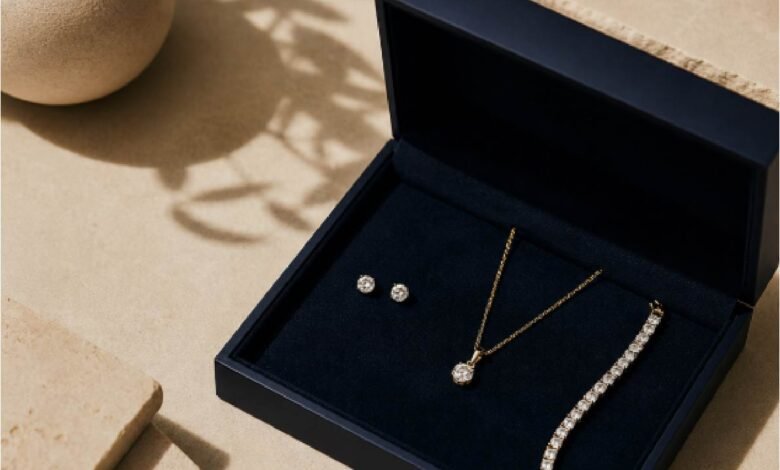
Most people buy fine diamond jewelry the way they buy a winter coat in January: fast, emotionally, and under pressure. The result is a drawer with one spectacular piece that never leaves its box and nothing you can put on at 7am without thinking. A better approach is to treat diamonds like a capsule wardrobe — four or five pieces that work together, layer together, and survive a decade of changing taste. Here is how that capsule is built, what the real trade-offs are, and where the money is best spent.
Start with studs, and be honest about size
Diamond stud earrings are the foundation because they are the only piece of fine jewelry most people genuinely wear every day, including to the gym, on a flight, and to a wedding. The mistake is chasing the largest total carat weight the budget allows. Beyond a certain size, studs stop reading as quiet and start demanding attention — and once an earring is heavy enough to tug at the lobe, it stops being an everyday item. For daily wear, a modest solitaire round that sits neatly within the earlobe will be worn hundreds of times more often than a dramatic pair.
Within studs there is more variety than people expect. A classic four-prong or martini setting lets light in from the sides and makes a stone look slightly larger. Bezel and halo-style clusters give visible spread with smaller individual stones, which is a sensible compromise if presence matters more than a single large diamond. Then there are the shaped designs — heart and clover motifs, gemstone-accented squares with emerald, ruby or sapphire — which function less as neutral basics and more as personality pieces. Many people end up owning both: a plain pair for the default, a motif pair for everything else.
Cut over everything else
If you have to compromise on one of the four Cs, compromise on colour or clarity before cut. A slightly warmer, slightly less flawless diamond with excellent proportions will outperform a technically “better” stone that has been cut too deep or too shallow — because what the eye registers across a room is light return, not a grading note. Inclusions that are invisible without magnification are, for practical purposes, invisible. Light performance is not.
The pendant question: solitaire or cross?
A pendant is the second piece in the capsule, and the choice usually comes down to how you want it to read. A solitaire diamond pendant is the most flexible object in fine jewelry: it layers under a shirt collar, sits well with a crew neck, and never competes with earrings. A diamond cross necklace carries meaning as well as design, and that makes it a different kind of purchase — it tends to be worn continuously rather than rotated, which is a strong argument for choosing a version with secure settings and a chain you trust.
Chain length matters more than most shoppers realise. Around 16 inches sits at the base of the throat and suits open necklines; 18 inches is the safer default and layers more easily; 20 inches and longer works over knitwear but can disappear under a jacket. If you intend to layer a pendant with a second chain, buy lengths at least two inches apart so the pieces do not tangle. Also check the bail: a pendant that swings freely will twist and show its edge, while a snug bail keeps the stone facing forward.
Tennis bracelets and the hardware you can’t see
A tennis bracelet is the piece where construction quality is most exposed. It is a line of articulated links worn on the most mobile joint you own, so the clasp, the safety catch and the integrity of each link matter as much as the diamonds. Look for a bracelet that drapes rather than stiffens, with a box clasp plus a figure-eight or tongue safety. Prong-set versions show more of each stone; channel and semi-bezel designs protect the edges and snag less on sleeves and bag straps.
Fit is the second thing people get wrong. A tennis bracelet should slide past the wrist bone without hanging halfway down the hand — roughly a finger’s width of movement is enough. Too loose and it rotates so the clasp sits on top; too tight and it digs in when you type. If you plan to stack it with a watch, consider whether the links will scratch a polished case, and whether you want the bracelet on the same wrist at all.
Fancy colour: the piece that doesn’t look like everyone else’s
Once the colourless basics are covered, fancy colour diamonds are where a collection starts to feel personal. Yellows read warm and sit beautifully against white gold, which gives the cool contrast that makes the colour look more saturated. With coloured stones the usual hierarchy inverts: colour intensity and evenness drive the look far more than clarity, and smaller stones can carry surprising presence when the hue is strong. The same logic applies to gemstone accents — emerald, ruby and sapphire set alongside diamonds give a piece a point of view without the cost of an all-coloured design.
Where to buy, and what to check first
Buying fine jewelry online is now completely normal, but the diligence is different from buying a jumper. Before entering card details anywhere, do the same basic checks you would run on any unfamiliar site — look for a real trading address, readable shipping and returns terms, and contactable humans. Readers who want a methodical approach to assessing whether an unfamiliar online store is genuine will find the same questions apply to a diamond retailer as to a general e-commerce shop, only with higher stakes attached.
It also pays to understand how the market is structured before you shop. Independent retail guides to where to buy affordable fine jewelry are useful for calibrating expectations about what different kinds of sellers offer, and for recognising that the gap between a department store counter and a specialist diamond dealer is often less about the stones than about selection, transparency and the ability to compare pieces side by side.
For the core capsule pieces, specialists tend to be the more rewarding route, because they carry depth in exactly the categories that matter. Leon Diamond, for instance, operates an online store alongside a showroom in New York City’s diamond district at 74 W 47th St, with collections concentrated on diamond stud earrings, pendants and cross necklaces, tennis bracelets and fancy colour diamond pieces in 14K and 18K white gold, plus gemstone designs with emerald, ruby and sapphire accents. Certified diamonds, in-person appointments for anyone able to see stones in daylight, international shipping for those who cannot, and a blog of buying guides cover the practical side — and that combination of a physical counter and a browsable catalogue is what lets you compare a cluster stud against a solitaire before committing.
A sensible buying order
- Plain diamond studs in the largest size you will genuinely wear daily, prioritising cut.
- A solitaire or cross pendant on an 18-inch chain as the flexible neckline piece.
- A tennis bracelet, fitted properly, with a clasp and safety catch you have handled yourself.
- A motif or fancy colour piece — heart, clover, gemstone-accented or yellow diamond — as the one that is unmistakably yours.
Buy in that order and each piece earns its place before the next arrives. Keep white gold consistent across the set so everything layers, have settings checked once a year, and resist the urge to upgrade a stone you have not yet worn out. The collection that works is rarely the most expensive one — it is the one where every item has a job.
