

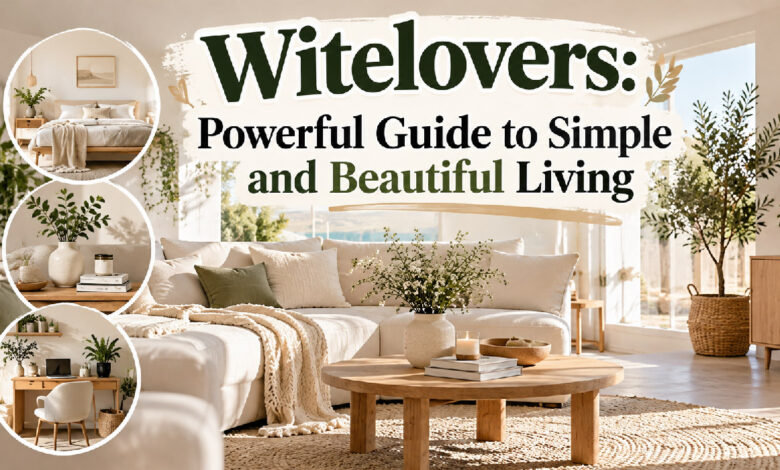
Witelovers is an informal online term connected with simple living, clean spaces, neutral colors, and minimalist-inspired design. It is often used when discussing bright interiors, organized homes, simple fashion, and uncluttered surroundings. However, Witelovers does not have one official definition recognized by major dictionaries or professional design organizations.
The idea is easier to understand as a flexible aesthetic rather than a strict lifestyle movement. People interested in Witelovers often prefer useful objects, balanced spaces, natural light, and simple designs instead of rooms filled with unnecessary decoration. White is strongly associated with the concept, but a Witelovers-inspired space does not have to be completely white.
Witelovers can also extend beyond interior design. Similar ideas can influence clothing, photography, digital organization, workspaces, and everyday habits. This guide explains its meaning, possible origins, main characteristics, benefits, limitations, and practical ways to use the concept without making everyday life uncomfortable.
What Is Witelovers?
Witelovers generally describes an appreciation for clean, light, organized, and visually simple surroundings. The term is commonly associated with white, cream, beige, light gray, and other neutral shades. It also connects with uncluttered rooms, functional furniture, natural materials, and careful decisions about what people keep in their homes.
There is no official Witelovers rulebook. It is not necessary to paint every wall white, remove most belongings, or purchase special furniture. Instead, the concept can be adapted to individual needs. One person might create a neutral bedroom, while another may simply organize a desk and reduce unnecessary decoration.
The most important idea is intentional simplicity. Objects should have a useful, meaningful, or decorative purpose instead of being added only to fill empty space. This makes Witelovers broader than a color preference. It represents an approach in which appearance, organization, comfort, and everyday usefulness work together to create balanced surroundings.
Where Did the Term Witelovers Come From?
The exact origin of Witelovers is unclear. There is no widely documented founder, organization, designer, or historical movement responsible for creating the term. Its spelling may remind people of the phrase “white lovers,” but without reliable evidence about its first use, that connection should be treated as an interpretation rather than a confirmed origin.
The term appears to fit naturally with online interest in minimalism, neutral interior design, clean photography, and simple living. These ideas have been shared for years through lifestyle websites and visual social platforms. New labels can develop around existing aesthetics when users need an easy way to describe a particular look or collection of ideas.
As more people encounter an unfamiliar term, they often search for its meaning. Websites then publish explanations, which can make the word even more visible. Witelovers should therefore be viewed as an evolving internet expression whose meaning can vary slightly depending on the website, creator, or community using it.
Why Is Witelovers Becoming Popular?
One reason Witelovers attracts attention is the wider popularity of simple and organized interiors. Many people like rooms that look bright, practical, and easy to maintain. Neutral colors and uncomplicated furniture can also be combined easily, allowing homeowners to update smaller decorative details without redesigning an entire room.
Online visual culture has increased exposure to this type of design. Images of clean kitchens, neutral bedrooms, organized desks, and bright living rooms are easy to recognize and share. A consistent color palette can also make photographs look coordinated, which helps explain why minimalist-inspired spaces appear frequently in lifestyle content.
Curiosity around the word itself may also contribute to its visibility. When users see an unfamiliar term, they naturally want to understand what it means. Witelovers combines this curiosity with familiar ideas such as minimalism, organization, and simple living. Even if the specific term changes over time, the design preferences connected with it are already well established.
Witelovers and Minimalism: What Is the Difference?
Witelovers and minimalism share several characteristics, but they should not be treated as identical. Minimalism is a much broader concept with an established history in areas such as art, architecture, interior design, and lifestyle. It generally emphasizes simplicity, reduced excess, clear forms, and thoughtful use of objects or space.
Witelovers is a less formal online expression. It places noticeable visual emphasis on bright environments, white or neutral colors, organized surfaces, and a clean appearance. Someone can enjoy this aesthetic without following a strict minimalist lifestyle. A person may own many useful belongings while storing them carefully so that the room remains visually balanced.
The difference is mainly one of scope. Minimalism can represent a wider philosophy of reducing unnecessary elements, while Witelovers is better understood as a flexible aesthetic influenced by minimalist ideas. Both can encourage simplicity, but neither requires people to remove useful possessions or sacrifice comfort merely to achieve a certain appearance.
Main Elements of the Witelovers Aesthetic
Color is one of the easiest features to notice in Witelovers-inspired spaces. White, warm cream, beige, soft gray, and pale natural tones often create the foundation. These shades can be combined with natural wood, muted colors, plants, ceramics, stone, or small dark accents to prevent the room from appearing flat.
Natural light is another important element. Open curtains, suitable furniture placement, and uncluttered window areas can help available daylight reach more of a room. Simple furniture also supports the overall appearance. Pieces with clear functions and uncomplicated shapes usually fit more naturally than excessive decorative furniture.
Texture keeps a neutral interior visually interesting. Linen, cotton, wool, wood, woven materials, and natural-looking surfaces can add warmth without creating visual overload. Organization is equally important. Storage should support everyday routines, while decorations should be chosen carefully. The goal is not an empty room but a comfortable environment where individual elements work together without unnecessary visual competition.
Witelovers in Interior Design
Interior design is one of the most common ways to apply the Witelovers concept. A living room might combine light walls, a comfortable neutral sofa, wooden furniture, soft fabrics, and a limited number of decorations. A bedroom could use simple bedding, practical bedside storage, warm lighting, and enough open space for comfortable movement.
The same approach can work in kitchens and bathrooms. Clear work surfaces can improve usability, while organized cabinets keep everyday products accessible without leaving everything visible. In a workspace, a practical desk, suitable chair, good lighting, and organized supplies may be more valuable than decorative objects that occupy working space.
A successful Witelovers-inspired interior should still reflect the people living there. Family photographs, books, artwork, children’s belongings, and meaningful objects do not need to disappear. Instead, the aim is to organize them thoughtfully. Good design should make a home easier to use rather than turning normal living spaces into displays that are difficult to maintain.
How to Create a Witelovers-Inspired Home
Creating a Witelovers-inspired home can begin with existing possessions rather than a shopping trip. Start by looking at one room and identifying areas that feel crowded or difficult to use. Removing rubbish, relocating unnecessary objects, and organizing frequently used belongings can immediately make a space look clearer without requiring new furniture.
The next step is to develop a consistent visual direction. This could involve white, cream, beige, light gray, wood, or another restrained combination that suits the room. Existing furniture does not need to match perfectly. Small changes in bedding, curtains, cushions, object placement, or lighting can create a more coordinated appearance.
Function should guide every decision. Furniture needs enough space around it for comfortable movement, storage should be easy to use, and commonly needed objects should remain accessible. Natural light can be used where possible, while lamps can support darker areas. Gradual improvements are usually more practical than replacing everything simply to copy an online aesthetic.
Witelovers and Decluttering
Decluttering fits naturally with Witelovers because crowded surfaces can make even a neutral room appear visually busy. However, decluttering does not mean getting rid of everything. A useful approach is to decide which belongings are necessary, regularly used, personally meaningful, or genuinely enjoyable and then organize those items in appropriate places.
Working with small areas can make the process easier. A person might begin with one drawer, shelf, desk, wardrobe section, or kitchen counter. Broken items and obvious rubbish can be removed first, followed by duplicates or possessions that are no longer useful. This prevents the process from becoming an exhausting attempt to reorganize an entire home at once.
Storage should be considered after deciding what needs to remain. Buying containers before sorting possessions can simply create new places to hide unnecessary items. The aim is not to own the smallest possible number of things. It is to make available space work efficiently while keeping important belongings accessible, organized, and easy to maintain.
Witelovers Beyond Home Décor
Witelovers can be applied beyond interior design because its central ideas involve simplicity, visual consistency, and organization. In fashion, this may mean choosing neutral clothing that can be combined easily. White shirts, simple trousers, denim, knitwear, practical shoes, and a limited number of accessories can form a coordinated wardrobe without requiring constant new purchases.
Photography can use similar principles. Clean backgrounds, natural lighting, careful framing, and a restrained color palette help direct attention toward the main subject. Social media creators sometimes use consistent tones and uncluttered compositions to give different photographs a connected visual identity. This explains why the aesthetic can appear in lifestyle, food, fashion, and product content.
Digital spaces can also become simpler. Organizing computer files, removing unused applications, limiting unnecessary notifications, and keeping important tools easy to find can reduce digital clutter. These practices are not official Witelovers rules. They simply extend the broader idea of creating more manageable and intentionally organized environments.
Benefits of the Witelovers Lifestyle
One practical advantage of a Witelovers-inspired approach is easier organization. When possessions have clear locations and unnecessary items are reduced, everyday objects may become easier to find. Clearer surfaces can also simplify cleaning because fewer objects need to be moved before a desk, counter, shelf, or table can be wiped.
A simple color palette can make decorating easier as well. Neutral furniture often works with different fabrics, artwork, plants, and accessories, allowing a room to change without replacing its largest pieces. Similarly, a coordinated wardrobe can make it easier to combine clothing because many items work together instead of serving only one outfit.
The concept may also encourage more deliberate purchasing. Instead of buying something because it briefly looks attractive, a person can consider whether it has a useful purpose and fits existing possessions. These benefits come from organization and thoughtful choices rather than from the color white itself, and individual experiences will naturally differ.
Witelovers on Social Media
Social media has helped clean and neutral aesthetics reach large audiences. Bright bedrooms, carefully arranged kitchens, simple outfits, organized workspaces, and minimalist photographs can look attractive on visual platforms. Consistent colors also make feeds appear coordinated, encouraging creators to repeat similar styling across different photographs and videos.
However, online images rarely show every part of everyday life. A photograph may feature one carefully arranged corner while laundry, cables, toys, work materials, or household supplies remain outside the frame. Lighting, editing, camera angles, and temporary staging can also make ordinary rooms look significantly different from how they appear during normal daily use.
For this reason, Witelovers inspiration should be treated as a source of ideas rather than a standard that every home must meet. Real homes need storage, practical furniture, personal possessions, and space for normal activities. An attractive interior is most successful when it remains comfortable and manageable after the camera is put away.
Common Witelovers Mistakes and Limitations
A common mistake is believing that every surface needs to be pure white. Too much white without texture or contrast can make a room feel flat, while pale furniture may show stains and marks more easily. Warm neutrals, natural materials, plants, wood, artwork, and darker accents can create balance without losing a simple overall appearance.
Another mistake is replacing useful possessions merely because they do not match the desired aesthetic. Throwing away functional furniture and buying many new neutral products conflicts with the idea of thoughtful consumption. Existing items can often be rearranged, repaired, covered, repainted, or combined differently instead of being immediately replaced.
The style also needs to fit real household requirements. Families with children, pets, hobbies, or limited storage may need more visible objects and durable materials. Some people simply prefer colorful or highly decorated interiors. Witelovers should therefore remain flexible. Appearance should never become more important than comfort, personality, accessibility, or everyday function.
How to Follow Witelovers on a Budget
Following a Witelovers-inspired approach does not require expensive furniture or a complete renovation. Many useful changes cost nothing. Clearing crowded surfaces, moving furniture to improve walking space, opening curtains, cleaning neglected areas, organizing existing storage, and grouping similar belongings can noticeably change how a room looks and functions.
When purchases are necessary, function should come first. A useful storage basket, durable lamp, practical shelf, or comfortable chair can provide more long-term value than decorative products bought only because they match a trend. Second-hand furniture can also work well, particularly simple wooden pieces that can be cleaned, repaired, or adapted.
Making gradual changes can prevent unnecessary spending. Complete one area before moving to the next and observe whether the new arrangement actually improves daily life. Witelovers is most useful when it encourages people to work with what they already have. Simplicity should reduce unnecessary consumption rather than become another reason to purchase more possessions.
Final Thoughts
Witelovers is best understood as an informal online concept connected with clean aesthetics, neutral colors, organized spaces, and minimalist-inspired living. It does not appear to have one official definition, fixed founder, or universal set of rules. This flexibility allows people to interpret the idea according to their homes, routines, budgets, and personal preferences.
The concept can influence interiors, clothing, photography, workspaces, digital organization, and everyday purchasing decisions. Its most practical principles are straightforward: reduce unnecessary clutter, keep useful belongings organized, choose items thoughtfully, make spaces comfortable, and avoid adding complexity simply for decoration. White and neutral colors can support the visual style, but they are not compulsory.
Most importantly, Witelovers should not become a search for perfection. A good home can contain color, books, toys, photographs, plants, and meaningful objects. The strongest version of the concept is simply a space that looks balanced, works efficiently, and remains comfortable for everyday life.
(FAQs)
What does Witelovers mean?
Witelovers is an informal online term linked with clean spaces, neutral colors, simple design, and organized living. It commonly describes an aesthetic inspired by minimalism, although it has no official or universally accepted definition.
Is Witelovers the same as minimalism?
No. Witelovers shares ideas with minimalism, such as simplicity and reduced clutter, but it focuses more on bright, neutral, and clean-looking aesthetics. Minimalism is a much broader and more established concept.
Does a Witelovers home have to be completely white?
No. A Witelovers-inspired home can include cream, beige, gray, natural wood, muted colors, plants, and darker accents. The main goal is creating a balanced, organized, comfortable, and visually simple environment.
Can I create a Witelovers home on a small budget?
Yes. You can start by decluttering surfaces, rearranging furniture, improving organization, using natural light, and reusing existing items. Expensive furniture and complete renovations are not necessary to create a simple, coordinated space.
Is Witelovers only related to interior design?
No. Witelovers can also influence fashion, photography, workspaces, digital organization, and everyday routines. Across these areas, the general idea remains focused on simplicity, visual balance, thoughtful choices, and reducing unnecessary clutter.





One Comment