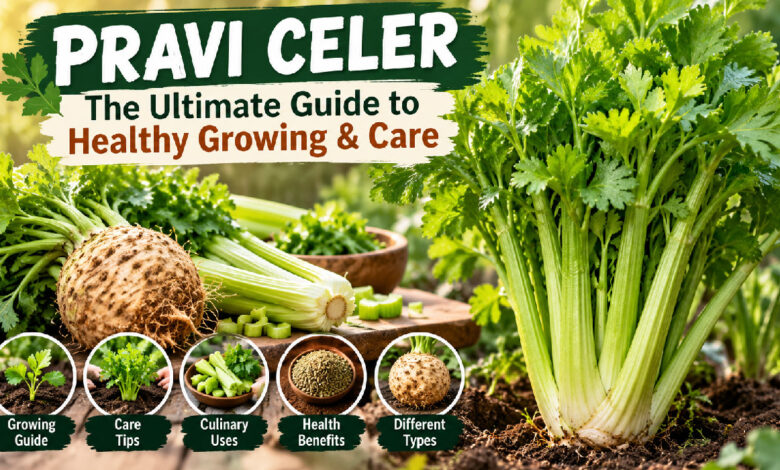
Pravi celer is a common name associated with true celery, botanically known as Apium graveolens. It belongs to the Apiaceae family, the same plant family that includes carrots, parsley, coriander, fennel, and parsnips. The plant is widely valued because different cultivated forms can provide edible stalks, aromatic leaves, seeds, or an enlarged root. Celery is normally grown as a vegetable crop, although botanically it is a biennial plant capable of completing its life cycle over two growing seasons.
The words “pravi celer” are used in South Slavic languages, where “pravi” can mean “true” or “real,” while “celer” means celery. The expression can therefore be understood as “true celery” or “real celery.” However, pravi celer should not automatically be treated as a completely separate botanical species or a special new vegetable. The important scientific identity is Apium graveolens, while individual cultivated forms and cultivars determine which parts of the plant become most useful.
This distinction is important because celery does not always look like the thick green stalks commonly sold in supermarkets. Some forms are selected for large stalks, some for aromatic leaves, and others for a swollen edible root commonly called celeriac. Understanding these differences helps gardeners choose suitable seeds and allows cooks to select the right celery type for salads, soups, stocks, roasting, seasoning, and other culinary purposes.
Pravi Celer Quick Facts
The botanical name of pravi celer is Apium graveolens, and its family is Apiaceae. It is generally considered a cool-season crop and prefers fertile soil that remains consistently moist without becoming permanently waterlogged. Depending on the cultivated form, celery can be grown mainly for its stalks, leaves, seeds, or enlarged root. The plant normally develops green aromatic foliage and has a distinctive smell that becomes particularly noticeable when its leaves or stalks are cut.
Celery is naturally a biennial, meaning that under suitable conditions its full life cycle can extend across two growing seasons. Gardeners usually harvest cultivated celery during its first season rather than allowing it to complete that cycle. If it survives and enters reproductive growth, the plant can eventually develop flowering stems bearing small flowers arranged in characteristic umbrella-like clusters called umbels, a feature commonly found among members of the Apiaceae family.
Successful cultivation depends heavily on the variety selected and local growing conditions. Celery generally prefers cool temperatures, good light, fertile ground, regular moisture, and protection from prolonged environmental stress. Exact planting dates, watering frequency, and harvest time cannot be identical everywhere because temperature, rainfall, soil type, cultivar, and growing method differ between locations. Gardeners should therefore combine general celery-growing principles with local climate information.
What Does Pravi Celer Look Like?
Pravi celer normally produces upright stalk-like structures topped with divided green leaves. What people commonly call celery “stalks” are technically enlarged leaf stalks, or petioles. In stalk celery, these petioles become thick, fleshy, and crisp because generations of cultivation have emphasized these characteristics. Their exact thickness, height, shade of green, texture, and flavor can vary considerably according to cultivar and growing conditions.
Celery leaves are green, divided, and strongly aromatic. Their appearance may remind gardeners of parsley and other members of the carrot family. The leaves remain edible and can provide considerably more concentrated celery flavor than the stalks. Leaf celery varieties place greater emphasis on foliage and may develop thinner stalks. Their strong aroma makes the leaves useful in stocks, soups, sauces, stews, and dishes where celery is used primarily as a seasoning.
When celery is allowed to continue its natural life cycle, it can produce flowering stems and clusters of small flowers. These botanical features help identify the plant family, but they should never be used alone to decide whether an unknown wild plant is edible. Apiaceae contains many plants with somewhat similar foliage and flowers, including dangerous species. Wild plants should therefore be positively identified by reliable botanical methods before anyone considers consuming them.
Main Types of Pravi Celer
Stalk celery is the form most closely associated with supermarket celery. It is cultivated primarily for long, fleshy petioles that provide the familiar crisp texture. These stalks can be eaten raw or cooked and are widely used in salads, soups, broths, stews, sauces, fillings, and vegetable dishes. Cultivars differ in stalk size, color, flavor, maturity period, and growing requirements, so selecting an appropriate cultivar is important when starting from seed.
Leaf celery is selected more strongly for its foliage and aromatic qualities. It generally produces abundant leaves and relatively slender stalks compared with conventional stalk celery. The leaves can be chopped and used much like a culinary herb. They work particularly well in soups, stocks, sauces, savory dishes, and seasoning mixtures. Gardeners who care more about intense celery flavor than producing large crunchy stalks may find leaf-focused cultivars particularly useful.
Celeriac is another cultivated form of Apium graveolens, but it looks significantly different because it is grown for its enlarged storage organ near ground level. The exterior is rough and irregular, while the interior is pale and firm with a recognizable celery-like flavor. Celeriac can be roasted, boiled, mashed, added to soups, incorporated into purées, or grated into salads. Therefore, gardeners should determine which edible part they want before purchasing celery seeds.
Pravi Celer vs Regular Celery
The phrase pravi celer can create the impression that “true celery” and regular supermarket celery are two completely unrelated vegetables, but this is misleading. Familiar stalk celery belongs to the species Apium graveolens. The differences people notice among celery plants are often connected to cultivated groups, cultivars, growing conditions, harvesting practices, and the particular plant part breeders have emphasized rather than a simple division between “real” and “regular” celery.
Commercial stalk celery has generally been selected to produce desirable stalk characteristics, such as good size, texture, appearance, and eating quality. Other celery forms may have thinner stalks, stronger-tasting leaves, or a large edible root. This variation is normal within cultivated crops. Similar selective breeding occurs in many vegetables, where plants sharing a species can look remarkably different because growers have selected particular traits over many generations.
For consumers, the practical approach is to look beyond the common name. When buying seed, examine the botanical name, cultivar, description, intended edible part, expected maturity, and recommended growing conditions. When buying fresh celery, choose according to how it will be used. Thick stalk celery works well for fresh eating and general cooking, while leaf celery provides aromatic foliage and celeriac is more suitable when a substantial root-like vegetable is required.
Pravi Celer vs Celeriac
Pravi celer and celeriac should not simply be described as unrelated vegetables. Celeriac belongs to the same celery species, Apium graveolens, but it has been cultivated to emphasize a very different edible structure. While conventional stalk celery is valued primarily for thick leaf stalks, celeriac is selected for its swollen, knobbly storage organ. This difference explains why two plants connected to the same botanical species can look so different at harvest.
Their culinary uses also differ considerably. Stalk celery is commonly sliced into salads, eaten raw, cooked into soups, added to stews, or included in aromatic vegetable bases. Celeriac behaves more like a root vegetable in the kitchen. Its dense flesh can be roasted, mashed, boiled, grated, or blended into soups and purées. Both retain a recognizable celery character, although celeriac generally provides a different texture and culinary experience.
Gardeners should therefore pay close attention to seed descriptions. Planting stalk celery while expecting a large celeriac-style root will produce disappointment even if the crop grows perfectly. Likewise, someone seeking thick salad stalks should not choose a cultivar bred primarily for root development. Genetics strongly influence the basic form of the crop, so extra fertilizer or water cannot transform one cultivated type into another.
Where Pravi Celer Comes From
Celery has a long association with Europe, the Mediterranean region, and parts of western Asia, while cultivated forms have spread far beyond their earlier geographical range. Over time, people selected celery plants for useful characteristics such as larger stalks, desirable foliage, stronger or milder flavors, and enlarged underground structures. This selection gradually produced the recognizable cultivated forms available to modern gardeners and consumers.
Celery became useful in cooking because its characteristic aroma works particularly well with savory foods. Its stalks, leaves, and other usable parts can contribute flavor to soups, broths, stews, sauces, vegetable mixtures, and meat dishes. In Balkan and other European culinary traditions, aromatic celery leaves and roots can be particularly valuable for flavoring cooked dishes rather than serving only as raw salad ingredients.
Modern cultivation has expanded celery’s availability, but climate remains important. Celery is fundamentally better suited to relatively cool and consistently moist growing conditions than intense heat and drought. Gardeners in different countries consequently need different planting schedules. Understanding the plant’s environmental preferences is more useful than following a universal calendar because seasonal temperatures can vary dramatically between Mediterranean, continental, tropical, subtropical, and temperate regions.
How to Grow Pravi Celer From Seed
Growing pravi celer usually begins well before the plants reach their final garden position because celery develops relatively slowly. Gardeners often start seeds indoors or in a protected seed-starting environment and allow seedlings time to become established before transplanting. The seeds are small, so careful sowing and moisture management are important. The growing medium should remain appropriately moist during germination rather than repeatedly becoming completely dry.
Once seedlings begin developing, they need adequate light and suitable temperatures to support compact, healthy growth. Weak light can encourage poor seedling development, while unsuitable moisture conditions can create additional problems. Young plants should be handled carefully because their developing root systems are relatively small. As they become established, they can be prepared gradually for outdoor conditions instead of moving immediately from a protected environment into harsher weather.
Before transplanting, prepare fertile soil containing useful organic matter and make sure excess water can drain. Gradual acclimatization, commonly called hardening off, helps seedlings adjust to outdoor sunlight, wind, and temperature changes. Transplanting should occur when local conditions are suitable for celery growth. Since celery prefers cool conditions, gardeners should plan planting so that the main growth period avoids prolonged extreme heat whenever their regional climate allows.
Best Soil for Pravi Celer
Pravi celer performs best in fertile soil capable of holding sufficient moisture while still allowing drainage. This balance matters because celery dislikes severe drying but can also suffer when roots remain in poorly aerated, saturated ground. Loamy soil enriched with well-decomposed organic matter can provide a productive environment. Compost can improve soil structure, moisture management, and nutrient availability when incorporated appropriately before planting.
Soil preparation should begin before seedlings are transplanted. Remove competing weeds, loosen compacted areas where appropriate, and improve the bed with mature organic material according to soil needs. Extremely sandy soils may lose moisture rapidly, while heavy compacted soils can drain poorly. Improving the physical condition of the soil can therefore be as important as supplying nutrients because healthy roots require access to both moisture and oxygen.
Celery generally performs well in soil that is not strongly acidic or strongly alkaline, although precise management should reflect local soil conditions. Gardeners facing persistent growth problems can benefit from testing their soil rather than continually adding fertilizer without knowing what is missing. Soil testing can reveal pH and nutrient issues and helps prevent unnecessary applications that waste money or create nutrient imbalances.
Sunlight and Temperature Requirements
Pravi celer needs enough light to support healthy vegetative growth. In moderate climates, celery can perform well in a sunny location when adequate soil moisture is available. Conditions become more complicated in very hot regions because intense afternoon heat can increase water stress and reduce growing quality. Some protection during the hottest part of the day can therefore be useful where summers are particularly severe.
Celery is generally considered a cool-season crop. Prolonged heat can create stress, while inappropriate temperature changes can contribute to premature reproductive growth in some circumstances. Gardeners should choose planting periods that provide a long stretch of relatively favorable temperatures. This is why spring and autumn production can work particularly well in many regions, although the correct schedule depends entirely on local climate.
Temperature also affects water requirements. Plants growing in warm, dry, windy weather can lose moisture considerably faster than plants growing during cool, humid conditions. Consequently, gardeners should not separate sunlight, temperature, and watering decisions. These factors interact continuously. Observing soil moisture, plant condition, weather forecasts, and seasonal patterns produces better results than following a fixed care schedule copied from a garden in a different climate.
How to Water Pravi Celer Properly
Consistent soil moisture is one of the most important requirements for growing pravi celer successfully. Celery has a relatively shallow root system, making it vulnerable when the upper soil layers become excessively dry. Repeated cycles of severe drying and heavy watering can interfere with steady development. The objective is therefore to maintain reasonably even moisture around the roots without leaving the planting area permanently saturated.
There is no universal rule stating that every celery plant must be watered a specific number of times each week. Watering frequency depends on rainfall, temperature, wind, soil composition, plant size, container size, and drainage. Gardeners should inspect the soil and adjust irrigation accordingly. Plants growing in containers usually require more frequent monitoring because a limited volume of potting medium can lose water much faster than garden soil.
Mulching around established plants can reduce evaporation and help maintain more stable soil moisture. Organic mulch can also limit weed competition and moderate changes in soil temperature. Mulch should be used sensibly rather than piled excessively against plant tissues. Good watering practice ultimately means supplying sufficient moisture to the root zone while allowing adequate drainage and adjusting the schedule as environmental conditions change.
Fertilizing Pravi Celer
Celery requires productive soil and sufficient nutrients to build substantial foliage and stalks. Preparing the bed with mature compost or other suitable organic matter provides a useful foundation. Additional fertilizer may be beneficial depending on existing soil fertility, cultivar, and growing system. Rather than assuming that more fertilizer always creates larger celery, gardeners should use appropriate products at recommended rates and consider soil-test information when available.
Nitrogen supports leafy vegetative growth, but nutrients need to remain balanced. Excessive fertilization can create weak or undesirable growth and may contribute to environmental problems when unused nutrients move beyond the root zone. Fertilizer also cannot correct every problem. A plant suffering from severe heat, poor drainage, root damage, disease, or repeated drought will not necessarily recover simply because additional nutrients are applied.
Container-grown celery requires particular attention because nutrients available within the potting medium are limited and can be depleted or washed out over time. Gardeners can use an appropriate vegetable fertilizer according to its instructions while continuing to monitor growth. Whether celery grows in containers or open ground, good fertility should work together with suitable light, moisture, temperature, spacing, and healthy soil rather than replacing these fundamental requirements.
Growing Pravi Celer in Containers
Pravi celer can be grown successfully in containers when sufficient space, drainage, moisture, and nutrients are provided. Choose a reasonably deep and spacious container with drainage holes rather than a very small decorative pot. Larger containers hold more growing medium and generally experience slower moisture fluctuations, which is particularly valuable for celery because its growth can suffer when roots repeatedly become too dry.
Fill the container with a fertile, moisture-retentive but well-draining growing medium. Position it where plants receive useful light without experiencing unnecessary heat stress. Container placement can sometimes be adjusted as seasonal conditions change, which is one advantage of growing celery in pots. However, dark or small containers exposed to intense sunshine can heat and dry rapidly, making moisture management more difficult.
Check container moisture regularly instead of watering automatically according to the calendar. During warm or windy periods, pots may require substantially more attention than garden beds. Nutrient management is also important because roots cannot explore surrounding ground for additional resources. With sufficient container volume, good drainage, appropriate feeding, regular moisture, and suitable temperatures, container cultivation can provide useful celery even where permanent garden space is limited.
Pravi Celer Care and Maintenance
Regular observation is one of the simplest ways to keep pravi celer healthy. Check foliage for discoloration, spots, holes, insects, wilting, and unusual growth. Inspecting plants frequently allows problems to be noticed while they are still limited. Remove weeds that compete for water and nutrients, maintain suitable soil moisture, and ensure plants have enough space for air movement rather than allowing dense vegetation to remain constantly wet.
Mulch can be useful for controlling weeds and reducing moisture loss, particularly during dry conditions. Damaged or severely diseased plant material may need removal depending on the problem. Avoid unnecessary injury to healthy plants because damaged tissue can create additional stress. Garden tools used for cutting or harvesting should be reasonably clean, particularly when moving between plants showing possible disease symptoms and healthy specimens.
Environmental management remains central throughout the season. A celery plant cannot be cared for effectively by focusing on fertilizer alone. Light, water, soil, airflow, temperature, nutrition, and pest pressure all interact. When a plant begins performing poorly, examine the entire growing environment before choosing a treatment. This approach reduces unnecessary interventions and makes it easier to identify the underlying cause of weak growth.
Common Pests and Diseases of Pravi Celer
Aphids are among the pests that may attack celery. These small sap-feeding insects often gather on tender growth or the undersides of leaves. Regular inspection helps identify populations early. Depending on infestation severity and local recommendations, physical removal, water sprays, biological controls, or appropriately labeled treatments may be considered. Gardeners should avoid indiscriminate pesticide use because beneficial insects can also be harmed.
Leaf miners can produce visible tunnels or damaged areas inside leaves, while slugs, snails, caterpillars, and other pests may become problematic depending on region and growing environment. Pest management begins with correct identification because different organisms require different responses. Removing heavily affected material, controlling weeds, encouraging appropriate biological control, using physical barriers where practical, and maintaining healthy plants can form part of an integrated management strategy.
Celery can also experience fungal and soil-associated diseases, including leaf spots, blights, rots, and wilt problems. Excess leaf wetness, poor airflow, contaminated plant material, unsuitable irrigation, and repeated cultivation of susceptible crops in the same location can influence disease development. Crop rotation, sanitation, appropriate spacing, careful watering, resistant cultivars where available, and correct diagnosis are more useful than assuming every yellow or spotted leaf has the same disease.
Common Pravi Celer Growing Problems
Yellow leaves on pravi celer can result from several causes rather than one specific deficiency. Possible factors include natural aging of older foliage, nutrient imbalance, excessive or insufficient moisture, root stress, pest damage, or disease. Gardeners should therefore examine where yellowing begins, how quickly it spreads, soil moisture, recent weather, feeding history, and whether additional symptoms such as spots or wilting are present.
Thin, tough, hollow, or poor-quality stalks may also be associated with multiple factors. Cultivar genetics, temperature, plant maturity, moisture stress, nutrition, crowding, and harvest timing can all influence stalk quality. A celery variety naturally selected for leaves will not necessarily produce the thick stalks expected from a commercial stalk cultivar. Correct variety selection should therefore occur before planting rather than after growth problems appear.
Bolting occurs when the plant shifts from vegetative development toward flowering. Once this transition advances, eating quality can decline. Temperature stress and the natural maturity of a biennial plant can influence reproductive growth. Gardeners can reduce avoidable problems by choosing suitable cultivars, planting at appropriate times, maintaining consistent care, and avoiding severe environmental stress, although weather conditions cannot always be controlled.
How and When to Harvest Pravi Celer
Harvest timing depends on the type of pravi celer being grown and its intended use. Stalk celery can often provide usable outer stalks before the entire plant reaches maximum size. Individual mature outer stalks can be cut near their base while the younger center remains in place. This method allows continued harvest where plant health and growing conditions remain favorable.
A whole stalk-celery plant can also be harvested when it reaches a useful size and quality. Instead of relying only on plant height, gardeners should consider cultivar information, stalk development, texture, local conditions, and intended use. Waiting indefinitely does not necessarily improve celery because aging plants can become tougher, experience pest or disease pressure, or begin moving toward reproductive development under suitable triggers.
Leaf celery can be harvested primarily for foliage, while celeriac requires a different harvest approach because the enlarged storage organ is the desired crop. This difference again demonstrates why identifying the cultivated form is essential. The word celery alone does not provide enough information to determine ideal maturity. Seed packets and cultivar descriptions are valuable references for expected development and approximate harvest periods.
How to Store Pravi Celer
Fresh pravi celer should be stored in conditions that slow moisture loss and deterioration. Refrigeration is generally appropriate for harvested stalk celery because cool temperatures help maintain quality. Remove obviously damaged or decaying portions before storage and avoid allowing spoilage to spread unnoticed. The exact storage life depends on freshness at harvest, temperature, humidity, handling, cultivar, and whether the celery has already been cut.
Celery leaves can also be refrigerated for short-term use. Because they are particularly valuable for flavor, excess leaves do not need to be discarded automatically. They can be incorporated into soups, stocks, sauces, and other cooked dishes. Freezing can be useful when celery is intended for later cooking, although frozen stalks generally lose the crisp texture associated with fresh celery after thawing.
Celeriac has different storage characteristics because its dense enlarged organ contains less exposed leafy tissue than a bunch of celery stalks. It can often be kept under cool storage conditions for later cooking, provided it remains sound. Whatever celery form is being stored, discard material showing extensive decay, unpleasant odors, severe sliminess, or other clear signs that it is no longer suitable for consumption.
Culinary Uses of Pravi Celer
Pravi celer is useful in the kitchen because different parts contribute different textures and levels of flavor. Crisp stalks can be eaten raw, sliced into salads, served with dips, or chopped into cooked dishes. When heated slowly with other aromatic vegetables, celery contributes savory depth to soups, stocks, stews, sauces, and braised dishes without necessarily becoming the dominant flavor.
The leaves are particularly useful when stronger celery aroma is desired. Fresh leaves can be finely chopped into soups, sauces, salads, and savory mixtures or added to stocks. Their concentrated character means a relatively small amount may provide noticeable flavor. Using the leaves also reduces kitchen waste and makes fuller use of the harvested plant rather than treating only thick stalks as edible.
Celeriac expands the culinary possibilities further. Its pale flesh can be roasted until tender, boiled and mashed, blended into creamy soups, combined with potatoes, or grated raw for salads. Celery seeds are also used as a seasoning in certain culinary contexts. These varied uses explain why understanding the specific cultivated form is important: stalks, foliage, seeds, and celeriac each perform differently in recipes.
Pravi Celer Nutrition and Potential Benefits
Fresh celery has a high water content and relatively low energy density, making it useful for people who want to add volume and freshness to meals without large amounts of calories. It also provides dietary fiber and several micronutrients. Nutrient amounts vary according to serving size and food composition, so exact figures should be taken from a recognized nutritional database when detailed dietary calculations are required.
Celery can contribute nutrients including vitamin K, folate, potassium, and other vitamins and minerals in varying quantities. Its high water content can also contribute to overall fluid intake when eaten as part of a varied diet. Fiber supports normal digestive function, while vegetables generally provide valuable dietary diversity. These qualities make celery a useful food, but they do not turn it into a treatment for disease.
Claims that pravi celer “detoxifies” the body, cures high blood pressure, or treats serious illnesses should be approached cautiously. Celery contains naturally occurring plant compounds that are studied in nutritional and biomedical research, but laboratory findings do not automatically prove a clinical treatment effect in humans. The most reliable approach is to view celery as a nutritious vegetable within an overall balanced diet rather than a substitute for medical treatment.
Pravi Celer Safety and Possible Risks
Most people can consume ordinary culinary amounts of celery as part of their normal diet, but celery can cause allergic reactions in susceptible individuals. Celery is recognized as an important food allergen in some regions, particularly Europe. People with a known celery allergy should follow professional medical advice and carefully check foods that may contain celery or celery-derived ingredients.
Fresh celery should be washed appropriately before preparation to remove soil and surface contamination. Clean knives, cutting boards, and hands also reduce the risk of transferring harmful microorganisms between foods. Damaged, rotten, or heavily spoiled plant material should not be consumed. Standard food-safety practices remain important even when celery comes directly from a home garden rather than a supermarket.
Wild celery identification requires considerably greater caution. Apiaceae contains edible species but also includes dangerous plants that can resemble edible relatives to inexperienced observers. Never consume a wild plant simply because its leaves, flowers, smell, or common name appear similar to celery. Reliable botanical identification and appropriate local expertise are essential whenever wild members of this plant family are being considered for food.
How to Choose Pravi Celer Seeds and Seedlings
Start by checking the botanical information and cultivar description rather than relying only on the words pravi celer or celery. Determine whether the seed is intended to produce stalk celery, leaf celery, or celeriac. The cultivar description should also provide useful information about maturity, growth characteristics, recommended planting conditions, and the part of the plant expected to provide the main harvest.
Climate suitability should be considered before purchasing. A cultivar performing well in one region may struggle when grown during a very different season elsewhere. Compare the expected growing period with local temperatures and determine whether there is enough cool weather for healthy development. Reliable local seed suppliers and regional agricultural information can be particularly useful when selecting varieties adapted to local conditions.
When buying seedlings, look for compact, healthy plants with normal leaf color and no obvious signs of severe wilting, rot, major pest infestation, or extensive leaf damage. Healthy seedlings still require proper transplanting and care after purchase. Buying a strong plant cannot compensate for unsuitable soil, extreme temperatures, or irregular watering, so cultivar selection and growing conditions should always be considered together.
Common Mistakes When Growing Pravi Celer
Choosing the wrong celery type is one of the easiest mistakes to avoid. A gardener wanting thick stalks should select a stalk cultivar rather than assuming every Apium graveolens seed will produce supermarket-style celery. Similarly, anyone wanting celeriac needs a cultivar selected for its enlarged edible storage organ. Reading the seed description before planting prevents months of growing a healthy crop that does not match the intended harvest.
Irregular watering is another major problem because celery depends on consistent moisture for steady development. Allowing soil to become extremely dry and then flooding it is less desirable than maintaining more stable conditions. At the same time, permanently saturated soil can damage roots. Good drainage, regular observation, suitable mulch, and watering according to actual conditions provide a more reliable strategy than following a rigid weekly schedule.
Poor timing can also reduce success. Celery prefers relatively cool growing conditions, so planting it where the main development period coincides with intense heat can make cultivation much harder. Other common problems include crowding, poor soil preparation, insufficient light, unnecessary overfertilization, and ignoring early signs of pests or disease. Successful celery production comes from balancing all major growing requirements rather than concentrating on a single factor.
Why Pravi Celer Is a Useful Plant to Grow
Pravi celer offers gardeners more than one possible harvest. Depending on the cultivated type, stalks can provide crisp vegetables, leaves can supply concentrated seasoning, celeriac can offer a substantial cooking ingredient, and seeds have culinary uses in appropriate contexts. This versatility makes celery particularly useful for gardeners who regularly prepare soups, broths, stews, salads, sauces, and other savory foods.
Home cultivation also allows gardeners to choose varieties according to flavor and intended use instead of being limited to the types commonly stocked by supermarkets. Someone who frequently uses celery leaves can grow a foliage-focused type, while a household that enjoys raw celery can prioritize thick stalk cultivars. Gardeners interested in root vegetables can choose celeriac and use an entirely different part of the same species.
The plant does require more attention than many drought-tolerant vegetables because consistent moisture, fertile soil, and suitable temperatures are important. However, these requirements are manageable when understood from the beginning. Correct cultivar selection, good soil preparation, appropriate planting time, moisture management, and regular inspection provide the foundation for producing healthy celery and obtaining a useful kitchen harvest.
Conculsion
Pravi celer is best understood through its botanical identity, Apium graveolens, rather than treating the phrase as the name of a mysterious separate vegetable. The species includes cultivated forms selected for different characteristics, particularly stalks, leaves, and the enlarged structure produced by celeriac. Knowing this distinction makes it easier to identify celery correctly, purchase suitable seeds, and understand why different plants can look surprisingly different.
For gardeners, successful pravi celer cultivation begins with choosing the right type and providing an appropriate environment. Fertile moisture-retentive soil, adequate drainage, consistent watering, sufficient light, suitable temperatures, balanced nutrition, and regular pest and disease monitoring all contribute to healthy development. Exact care schedules should be adapted to local climate, soil, weather, cultivar, and whether plants are grown in containers or garden beds.
In the kitchen, celery provides considerably more than crunchy stalks. Its leaves can serve as an aromatic ingredient, stalks work in raw and cooked dishes, celeriac provides a substantial vegetable for roasting and purées, and celery-derived seasonings have additional culinary applications. Understanding the whole plant turns pravi celer into a more versatile crop while helping gardeners and cooks choose the correct celery form for their needs.
Frequently Asked Questions (FAQs)
What is pravi celer?
Pravi celer refers to celery known botanically as Apium graveolens. It belongs to the Apiaceae family and is grown in different forms for its edible stalks, aromatic leaves, seeds, or enlarged root known as celeriac.
What does pravi celer mean in English?
Pravi celer can be translated as “true celery” or “real celery.” The term is used in South Slavic languages. Botanically, it is associated with Apium graveolens, the species that includes commonly cultivated forms of celery.
Is pravi celer the same as regular celery?
Pravi celer and regular cultivated celery are associated with the same species, Apium graveolens. Differences in appearance, stalk size, leaves, roots, and flavor usually depend on the cultivated form, cultivar, and growing conditions.
How do you grow pravi celer?
Grow pravi celer in fertile, moisture-retentive, well-drained soil with adequate light. Keep soil consistently moist, avoid prolonged heat and severe drought, and select a cultivar suited to your climate and desired harvest.
Can you eat pravi celer leaves?
Yes. Pravi celer leaves are edible and have a strong celery aroma. They can be chopped into soups, stocks, stews, sauces, salads, and other savory dishes where concentrated celery flavor is useful.